Blog
A Boutique Hotel Asked for Matching Bedroom and Living Room Furniture. Here’s How Teak Handles Both

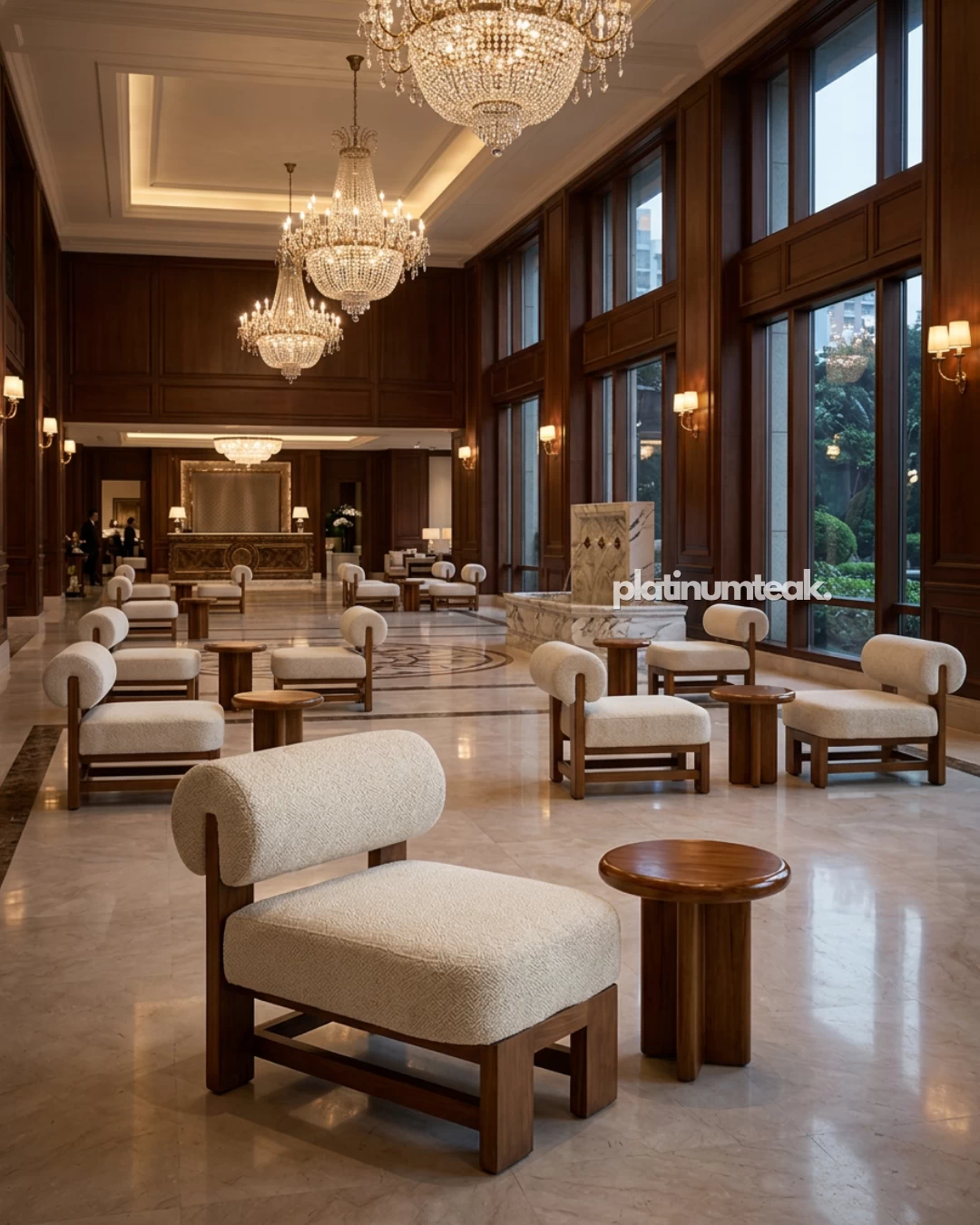
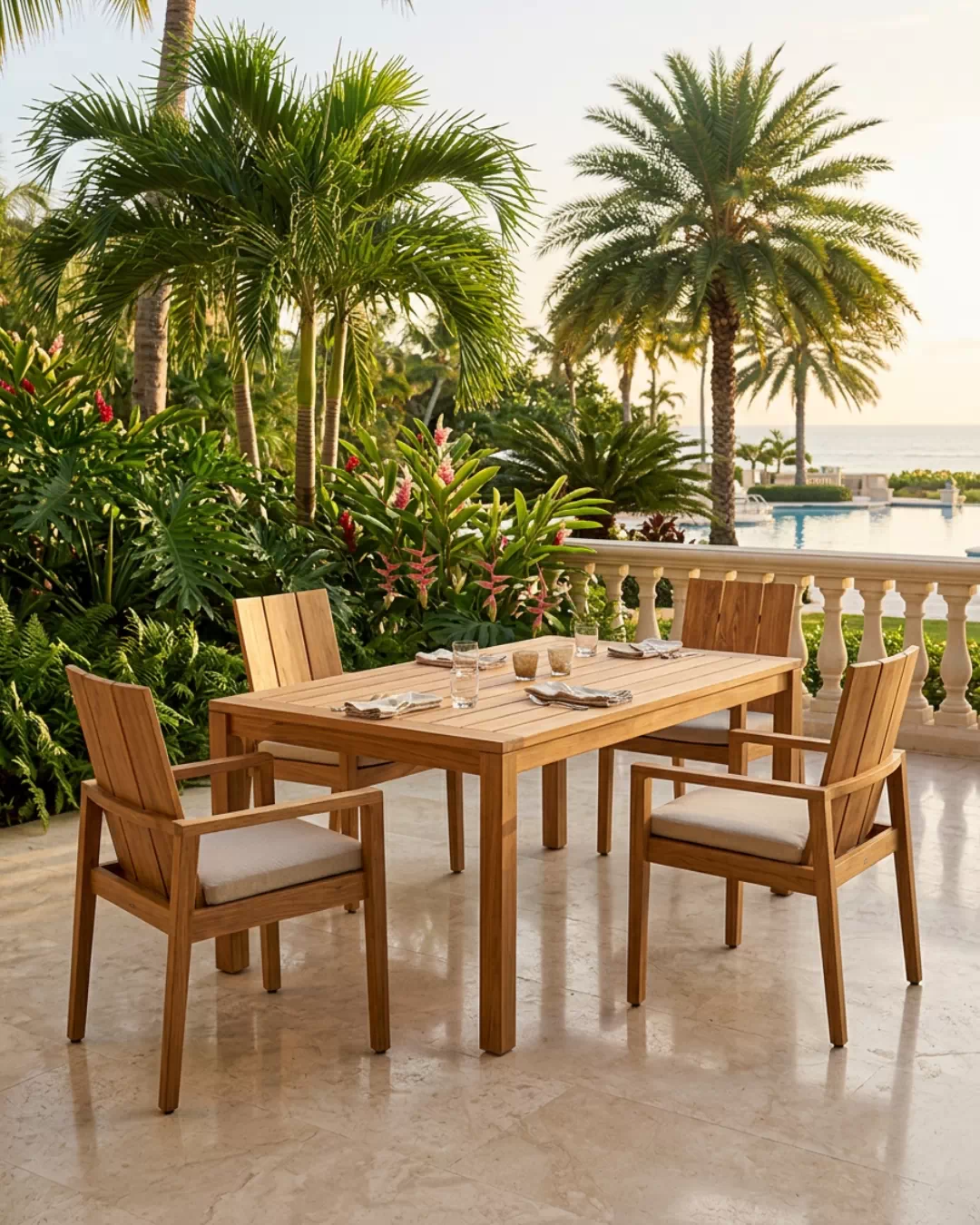
Boutique hotels and villa developers run into the same design problem more often than you’d think: guest room furniture and lobby or lounge furniture need to feel like they belong to the same family, without looking matched in the obvious, showroom-catalog way. That means treating bedroom furniture and living room furniture as one design problem instead of two separate orders, which turns out to be a more interesting constraint than either category on its own.
It’s also a fairly common request from buyers sourcing wooden living room furniture and teak bedroom furniture together, whether for a hospitality property or a residential development. Most want consistency in wood tone and joinery style even when the pieces themselves serve completely different rooms.
 Living Room: Where Rattan and Rope Do Most of the Visual Work
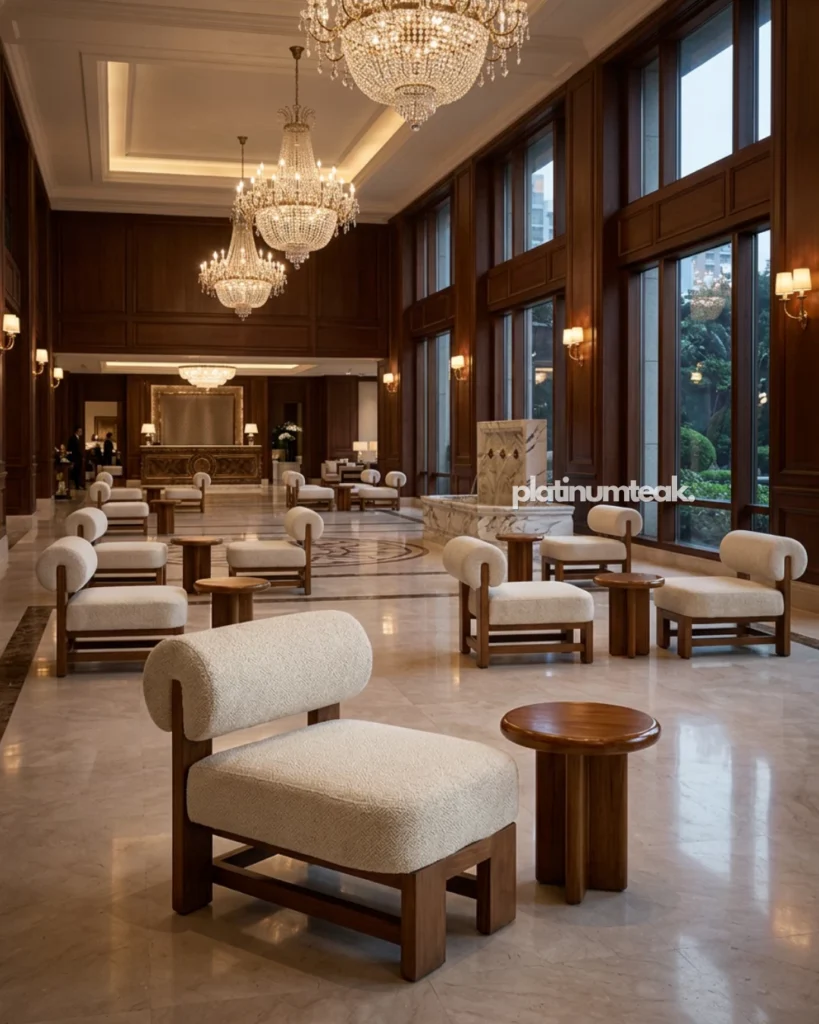 Living Room: Where Rattan and Rope Do Most of the Visual Work
Teak living room furniture rarely stands alone. It’s almost always paired with texture, hand-woven rattan panels on a bench, rope detailing on a lounge chair, cane inserts on a sofa frame, because a living room needs softness that a solid wood frame alone doesn’t provide. An indoor rattan bench built well should feel taut under light pressure, not springy or loose, and that tension only holds if the weaving was done by someone who’s spent years at it rather than a few months.
Rattan benches indoor also tend to get more daily use than people expect, they become the spot where a bag gets dropped, where someone sits to put shoes on, where a stack of magazines lives. That kind of casual, repeated use is exactly what separates furniture-grade rattan work from decorative pieces meant to be looked at rather than sat on.
Bedroom: Stability Matters More Than It Looks Like It Should
Teak bedroom furniture doesn’t face rain or direct sun the way outdoor pieces do, but it still benefits enormously from teak’s dimensional stability. Wardrobes and bed frames sit in one place for years, and wood that shifts with seasonal humidity changes eventually shows it, drawers that stick, joints that develop small gaps, panels that no longer sit flush. Teak’s natural oil content keeps that movement to a minimum even in humid coastal climates, which is part of why it’s held up as a bedroom material well beyond its reputation as an outdoor wood.
For hotel groups furnishing dozens of identical rooms, this matters at scale. A wardrobe that warps slightly in room 204 but not in room 118 is a maintenance problem multiplied by however many rooms are in the property.
Indoor Dining: The Category That Gets the Most Daily Wear
A teak indoor dining table probably takes more physical abuse per week than any other piece of furniture in a home or restaurant, hot plates, spilled drinks, chairs dragged in and out multiple times a day. Solid teak handles that better than veneer or engineered wood, and it can be lightly sanded and re-oiled years later if the surface starts showing its age, something a laminate top simply can’t do.
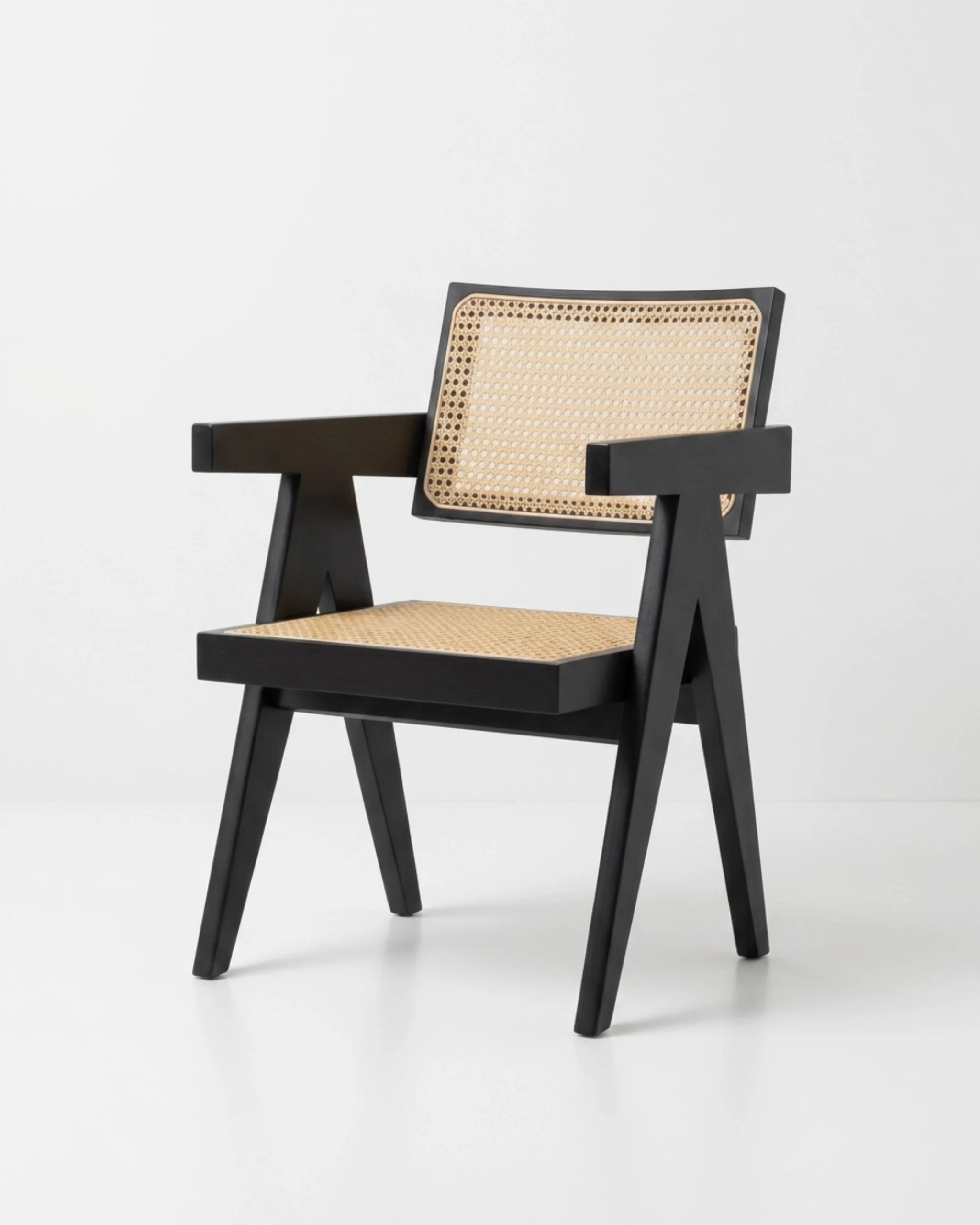
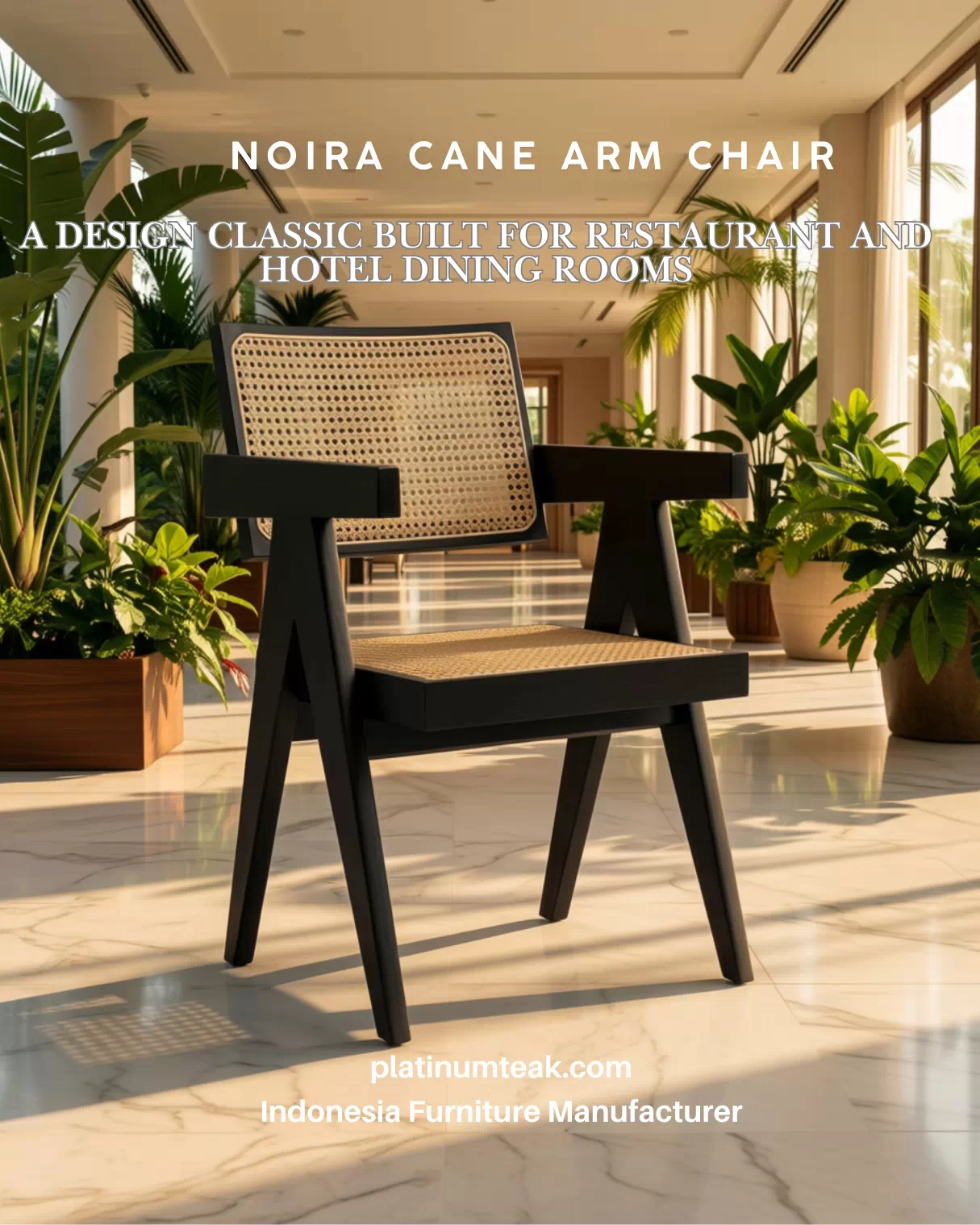
Rope dining chairs indoor bring the same texture consideration as living room pieces, but with a harder job to do, they need to hold their shape under someone leaning back repeatedly, not just look good in a photo. We test rope tension the same way we test rattan tension on benches, by hand, under real pressure, before a chair ever gets approved for a production run.
Why Buyers Order Across Categories Instead of Room by Room
Indonesian teak furniture ordered as a coordinated set, living room, bedroom, and dining together, tends to age more consistently than pieces sourced from different suppliers over time. Wood tone that starts identical can drift apart if it comes from different timber batches years apart, so buyers planning a multi-room project generally get better long-term consistency by placing one combined order rather than filling gaps supplier by supplier as a project develops.
That’s part of why our Indonesia furniture manufacturer catalog spans indoor categories alongside outdoor, so a single order can cover a full interior without mixing wood batches or joinery standards across suppliers.
What to Check Before Ordering
The same evaluation questions that apply to outdoor furniture apply here: ask whether joints are cut mortise-and-tenon or held together with brackets and glue, ask about heartwood versus sapwood content, and if the piece includes rattan or rope work, ask to see it up close rather than relying on a catalog photo. Interior pieces get scrutinized less by buyers than outdoor furniture, probably because they’re not facing weather, but the joinery standards that matter outdoors matter just as much for a wardrobe that needs to open smoothly for the next decade.
Buyers furnishing a full interior project can browse our indoor furniture collection or reach out directly to discuss matching wood tone and finish across bedroom, living room, and dining pieces in a single order.